
Why Some Court Orders Focus on Prevention, Not Punishment
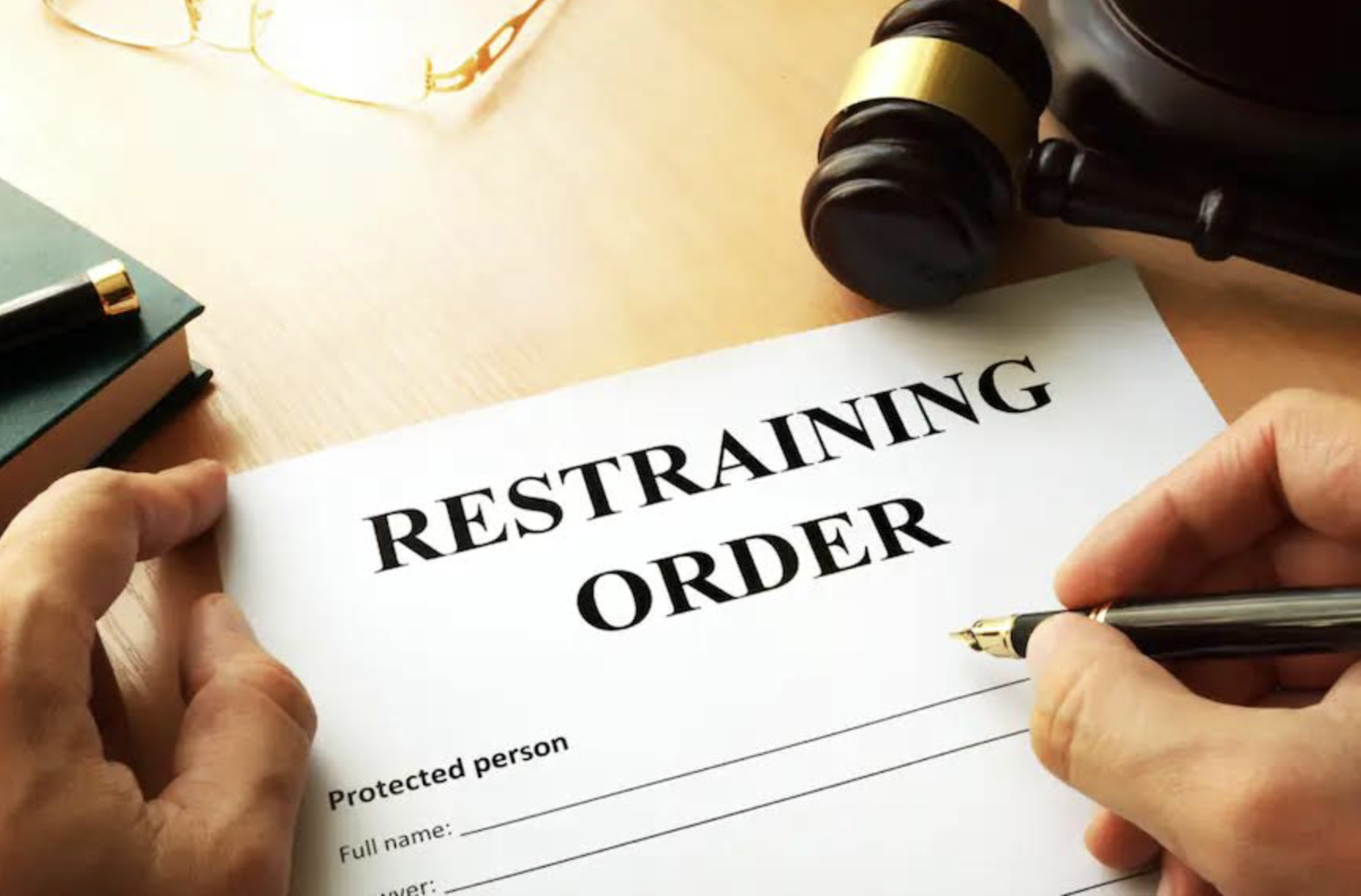
When most people imagine court decisions, they often think of sentencing, fines, or jail time. It’s the image of someone being punished for something already done. But not every court order follows that model. Some are designed to protect people before anything even happens. That may seem strange at first, but it’s a crucial part of how modern legal systems work.
One of the best examples is the use of apprehended violence orders. These are not about proving guilt—they’re about preventing harm. They exist to protect individuals from potential danger rather than waiting for actual violence to occur.
The Power of Acting Early
Prevention-focused court orders exist because certain warning signs should not be ignored. People who experience stalking, intimidation, or repeated harassment often live in fear long before any physical harm occurs. When courts respond to those early signs, it sends a powerful message: your safety matters now, not just after an incident. By stepping in before violence escalates, courts are taking a more responsible and forward-thinking approach. It’s not about being soft—it’s about being smart and protecting lives before irreversible damage is done.
Who These Orders Are Meant For
Many assume protective court orders are only for domestic abuse survivors. While that’s a common case, the scope is actually wider. These orders can help people in various situations—neighbours, coworkers, friends, even strangers—if there’s a reasonable fear of harm. Courts have recognised that danger doesn’t always come from within the home, and fear isn’t always visible. The goal is to empower people to seek help when they feel unsafe, without having to prove a physical injury first. It’s about trust and giving weight to someone’s lived experience.
Beyond the Paper: Real Consequences
Some still believe that court-issued protections are just symbolic. In reality, they carry serious legal weight. Once an order is in place, violating it can lead to arrest, fines, or even imprisonment. More importantly, it establishes a record that can help build a stronger case if issues continue. These orders are more than just paperwork—they’re legal boundaries. And for the people they protect, those boundaries provide not just physical distance, but mental relief. They offer something incredibly valuable: peace of mind.
Prevention Doesn’t Mean Lack of Accountability
Choosing prevention over punishment doesn’t mean letting someone off the hook. It means courts are acknowledging that not all threats come with bruises or broken laws. In many cases, early intervention through apprehended violence orders prevents the need for more severe actions down the road. That doesn’t reduce accountability—it redirects it. The individual named in the order is still legally responsible for their actions. But instead of waiting for harm to occur, the system sets a clear standard for behaviour before it reaches that point.
Shaping a Safer Approach to Justice
The justice system isn’t just about punishment anymore—it’s also about protection. Preventive orders represent a shift in how society views safety, risk, and responsibility. They show that courts are not just places where wrongs are corrected, but where potential harm can be avoided. That’s an important evolution. It means listening more carefully, acting more quickly, and taking emotional and psychological safety just as seriously as physical harm. It’s not just about changing laws—it’s about changing lives, before it’s too late.
Final Thoughts
Not all legal orders are designed to punish; some are meant to protect. By focusing on prevention, courts can reduce the chance of violence before it begins. Apprehended violence orders are just one example of how early legal intervention can create real safety. Just as preparing a Will kit helps individuals safeguard their future and loved ones through proper legal documentation, proactive legal measures help protect people before harm occurs. In a world where threats don’t always leave marks, this kind of proactive approach gives people the voice—and the shield—they need.